

Made of many fragments
Hi, I'm Clau
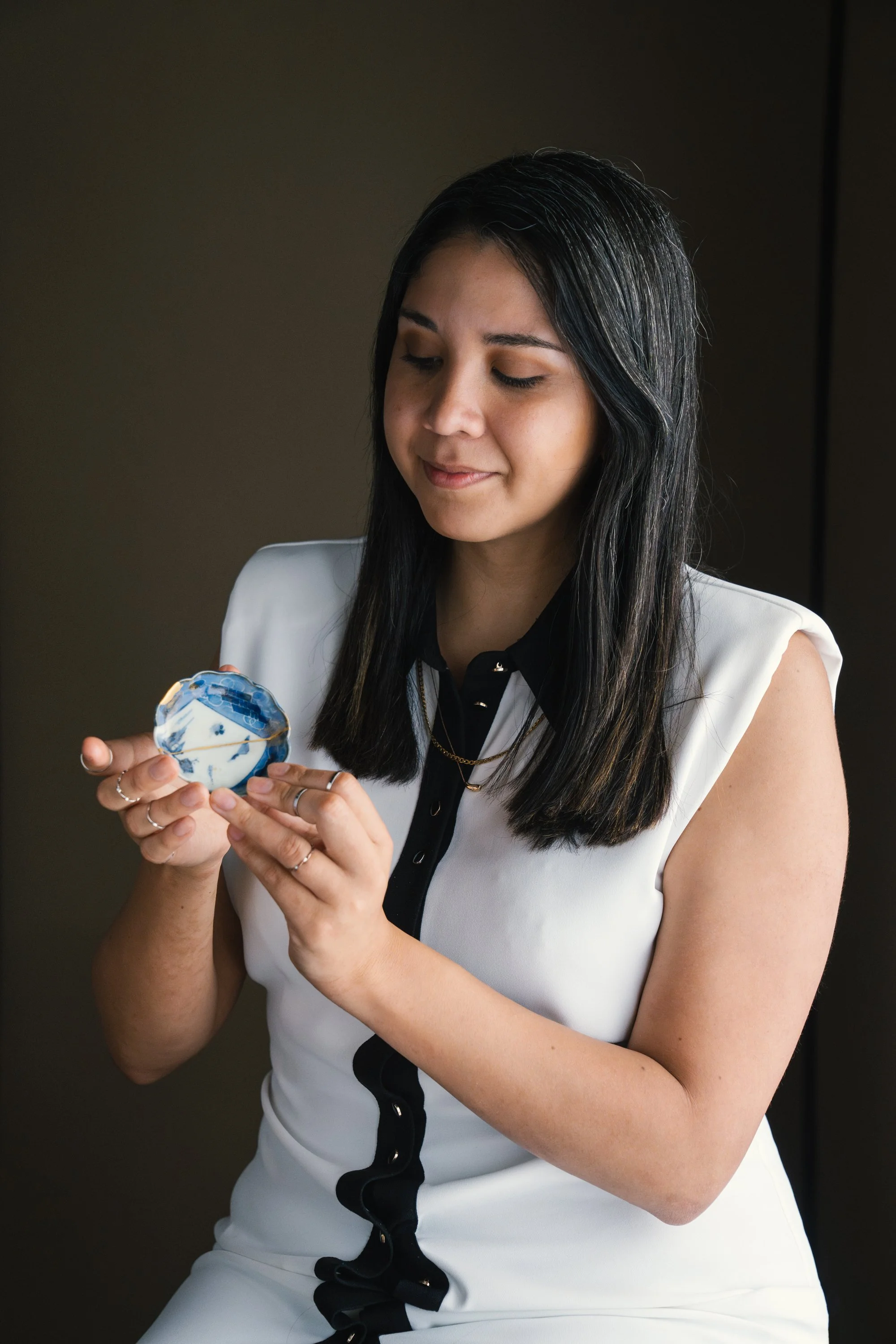

Konnichiwa!
A creative soul (haha or person?) currently based in Japan with a deep love for kintsugi, Japanese craftsmanship, ceramics, and thoughtful storytelling.
I’m inspired by places, textures, rituals, old objects, slow mornings, and the beauty of things made by hand.
Through this space, I share the things I love, create, and continue learning throughout my journey in Japan and hope to connect with people, places, and projects that celebrate craftsmanship, culture, and intentional living.
How it started
My journey with kintsugi began in 2022. That was the year I first connected with ceramics and handmade crafts. I came across a studio in Kyoto called POJ Studio, which offered a kintsugi apprenticeship, and I immediately felt drawn to it. I had always admired Japanese crafts, but at first, it was really the culture of Japan that pulled me in.
So I decided to take the apprenticeship in Kyoto for three months. During that time, we were based in the studio and learned about every part of kintsugi: the materials, the tools, the process, the history, and the philosophy behind it....
Needles to say it was a magical time!

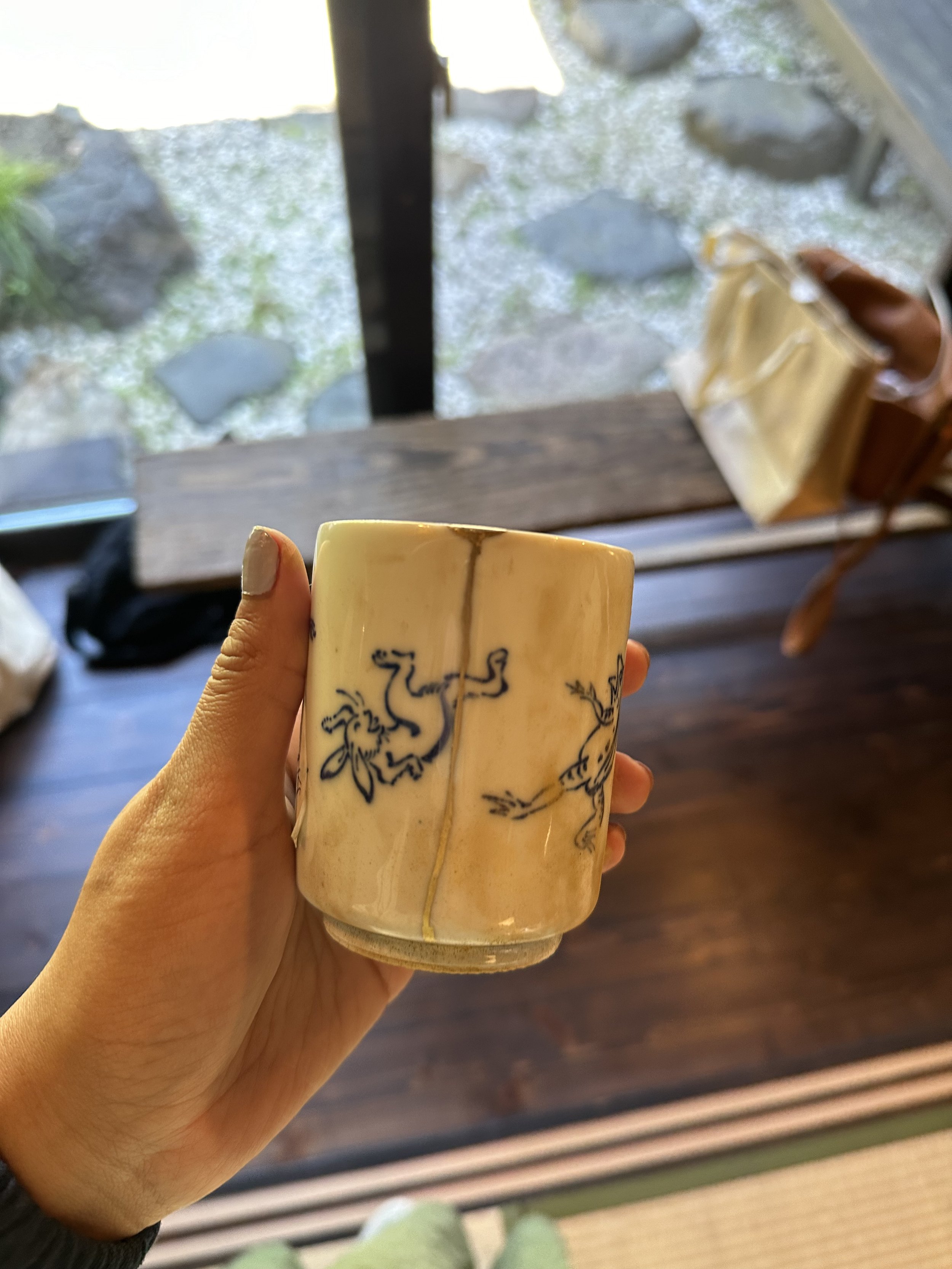
The moment I fell for
broken things
At the beginning, I honestly knew very little about kintsugi. What drew me in the most was its philosophy. It is deeply connected to the materials we use, to patience, to nature, and to the idea of repairing something that might have been considered broken or useless, and giving it a new life.
Kintsugi is complex, but at the same time, very simple. It is the act of repairing. But through the process, I learned that repair is never linear. In kintsugi, it is very common to go back a step. You may move from phase two to phase three, only to realize you need to return to phase two again.
That reminded me so much of healing in human nature. Sometimes we think progress only means moving forward, but often, we need to go back in order to truly continue.
A second life for everything
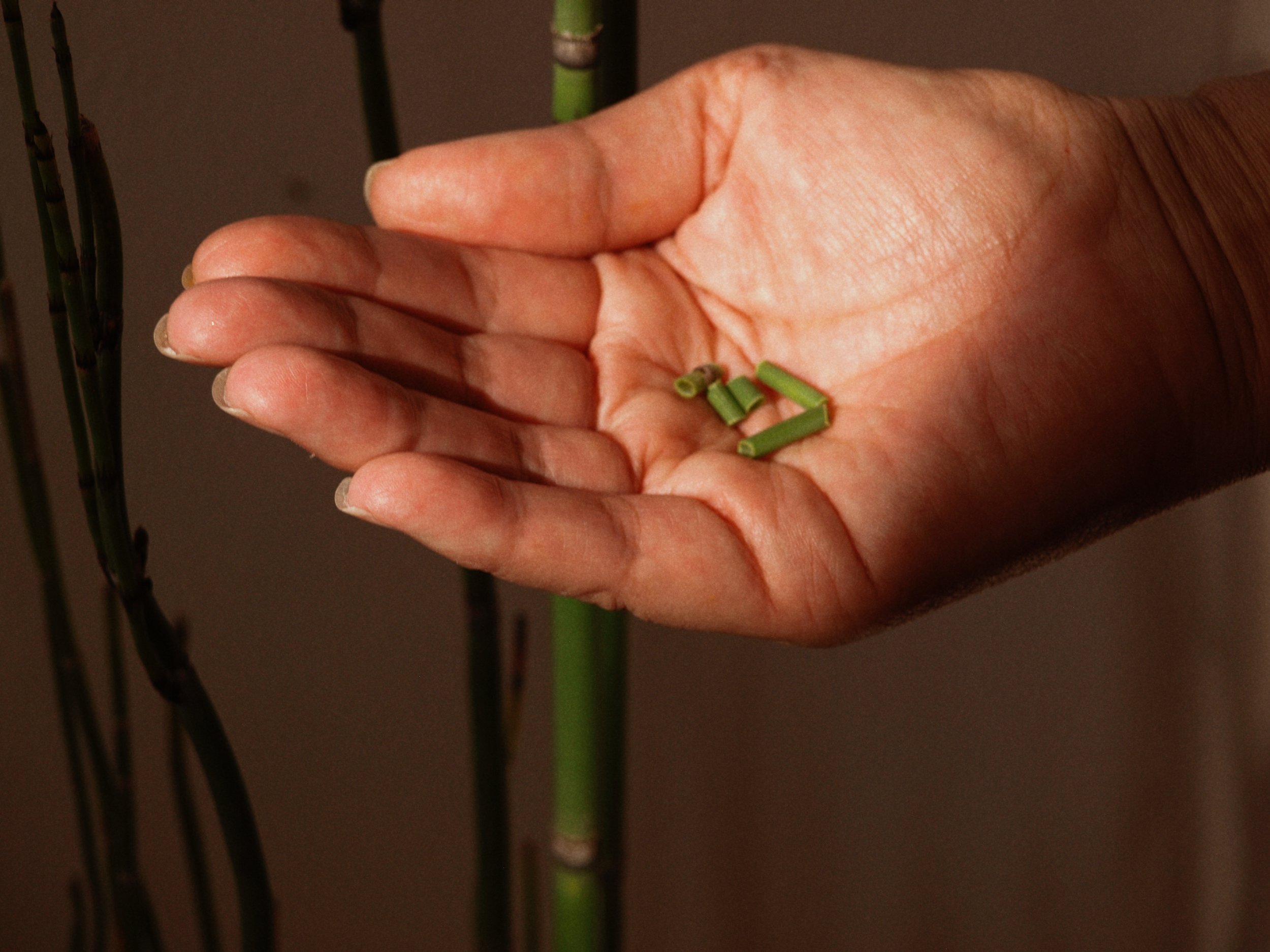
Every piece is different. The ceramic, the way it broke, the season, the humidity, and the urushi all affect the process and how long it takes for the piece to heal. So kintsugi is truly much more than repair.
It is not only the person mending the piece. It is also the craftsman who harvested the urushi, the potter who made the ceramic, the material, the season, and the time it takes to become whole again.
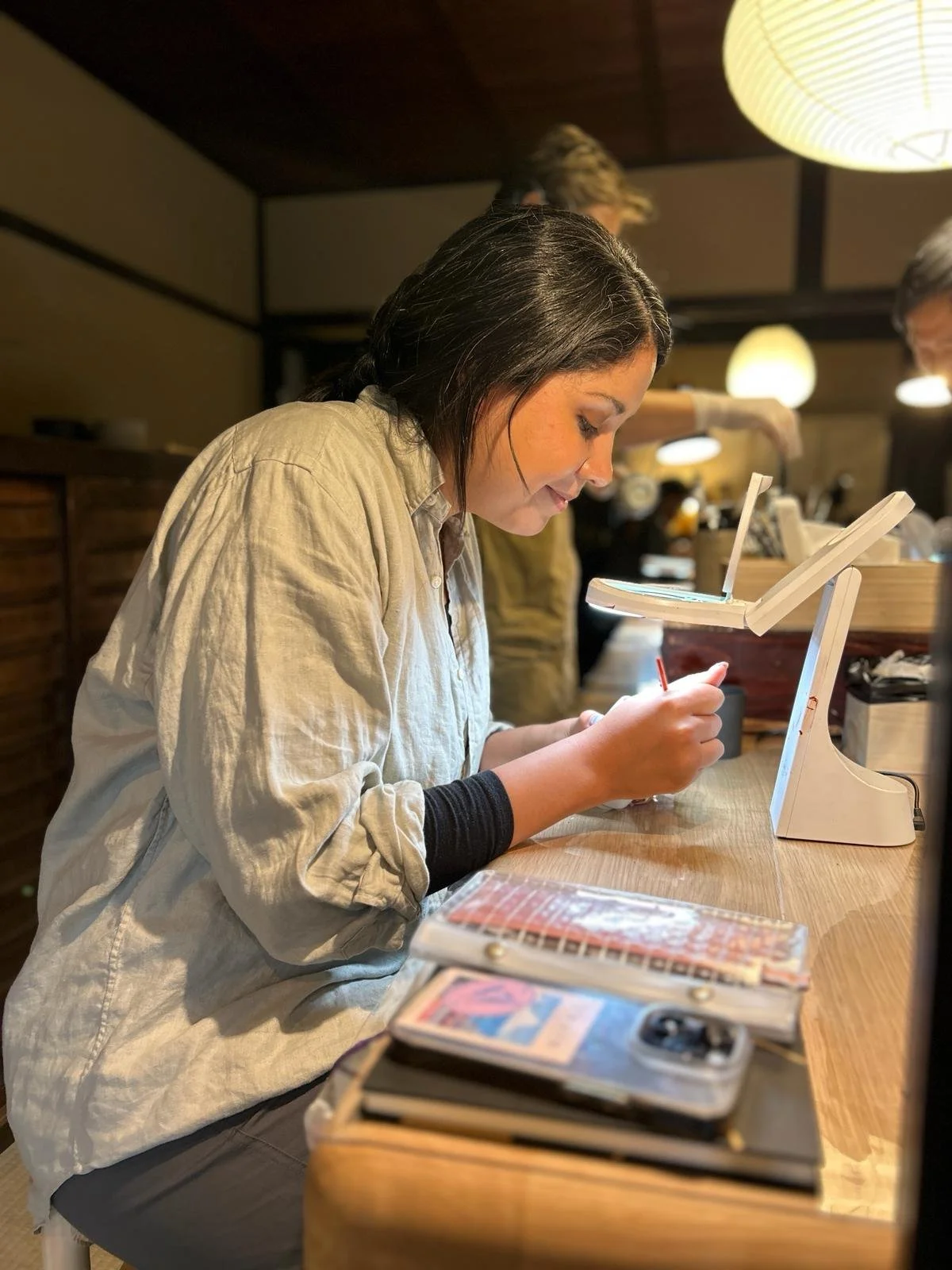
Many hands, one piece

Kintsugi is also one of those crafts that asks for your complete presence.
What I mean by that is that you cannot really do it halfway. You cannot be checking your phone, multitasking, or rushing through the process. You wear gloves, proper atelier clothing, and prepare your workspace with care. In many ways, it becomes a ritual.
Because of this, every session feels like a form of meditation. The work requires your full attention, patience, and respect for each step. There is no shortcut. The material, the timing, and the piece itself dictate the pace.
What I found most beautiful is that it creates a space where your focus shifts away from yourself. Instead of thinking about your worries, your plans, or your distractions, your attention is entirely dedicated to the piece in front of you. You become immersed in the process, following each stage with intention and care.
There is something truly magical about that experience. In a world that constantly asks for our attention, kintsugi invites us to slow down, be present, and give ourselves fully to the act of creating and repairing.